
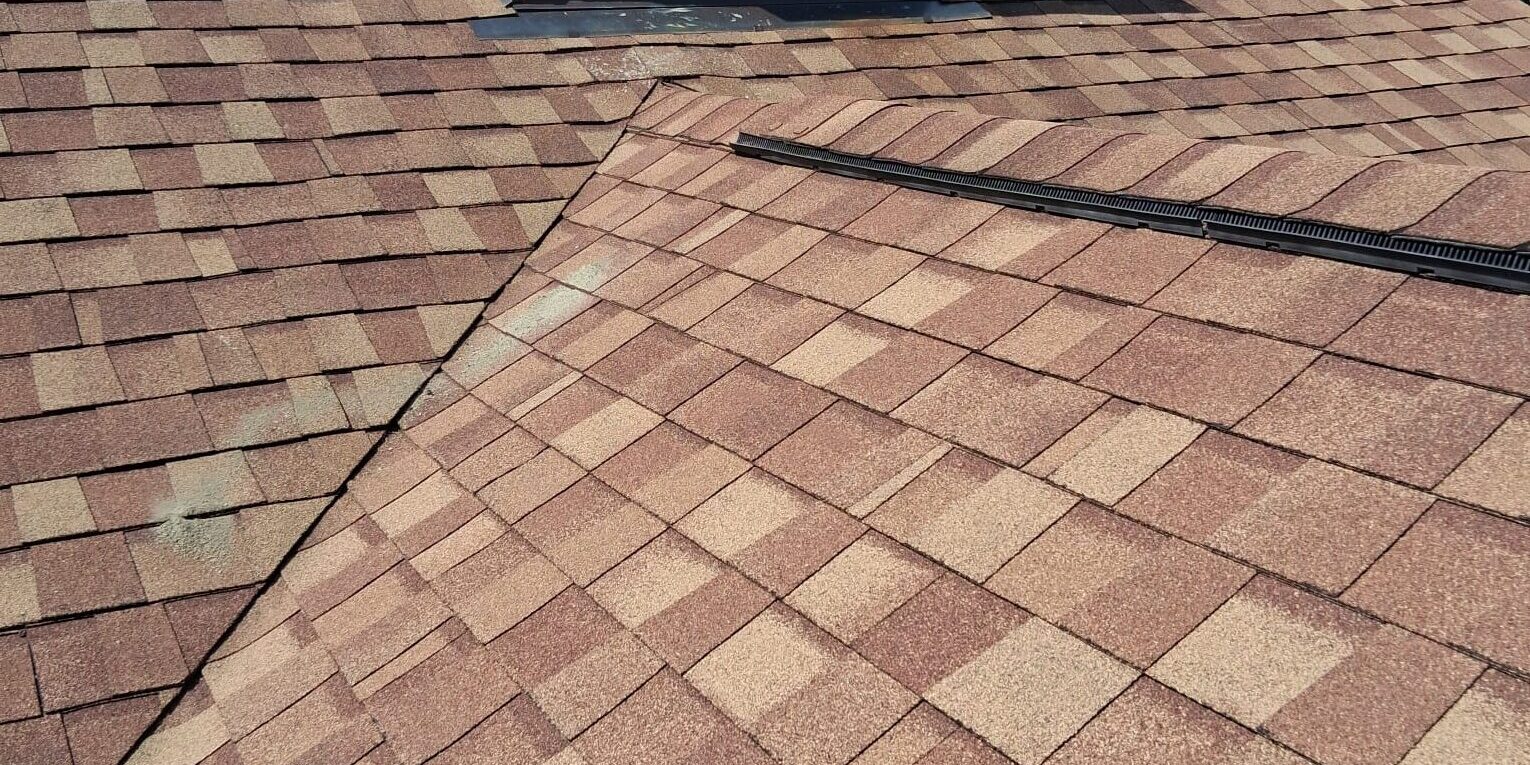
Kent, CT Chimney Services: Heating Liners, Sweeping & Repairs
Documented chimney care for Kent heating flues, fireplaces, stone masonry and wood-burning systems.
A Heating Flue Is a Complete Exhaust Path
The vent begins at the appliance, not at the roof. Connector pipe, liner size, chimney height, cleanout access and termination must work together so combustion gases travel outdoors through a continuous path. Meanwhile, an old liner or improvised connector can undermine an otherwise solid chimney.
Spotless Chimney approaches Kent CT chimney services from the appliance upward. First, we identify the system and document accessible conditions. Then we match the maintenance or repair to the fuel, equipment and chimney instead of treating every flue alike.
A Real Kent Project: New Heating Liner and Smoke Pipe
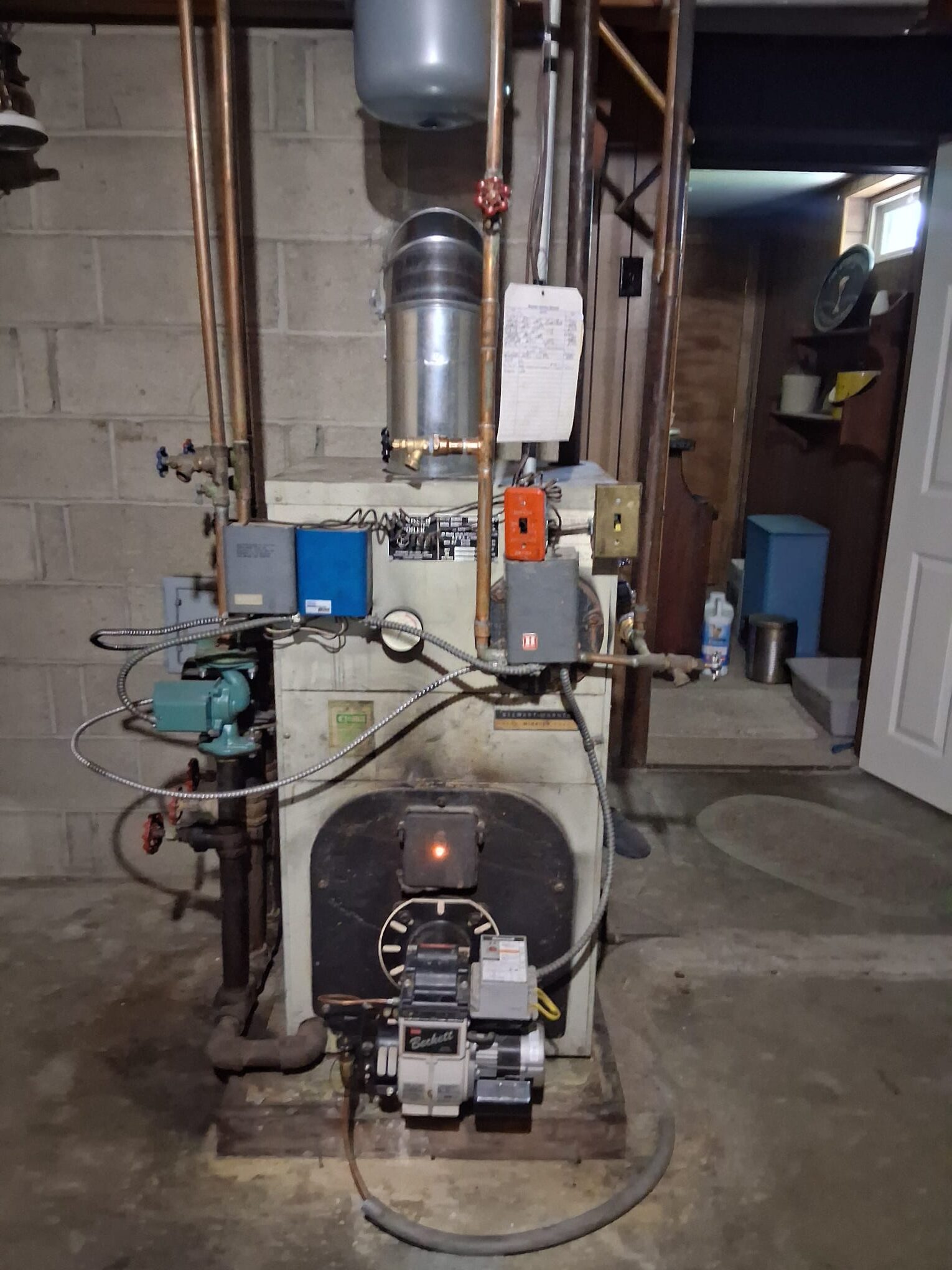
In August 2026, our crew completed a one-day heating-flue project at a Kent home. The work called for removal of the old heating liner, installation of a new six-inch smooth-wall stainless liner and replacement of the single-wall smoke pipe at the appliance. Because the roof approach required careful footing, the scope also included a safe-access setup with minor platform staging.
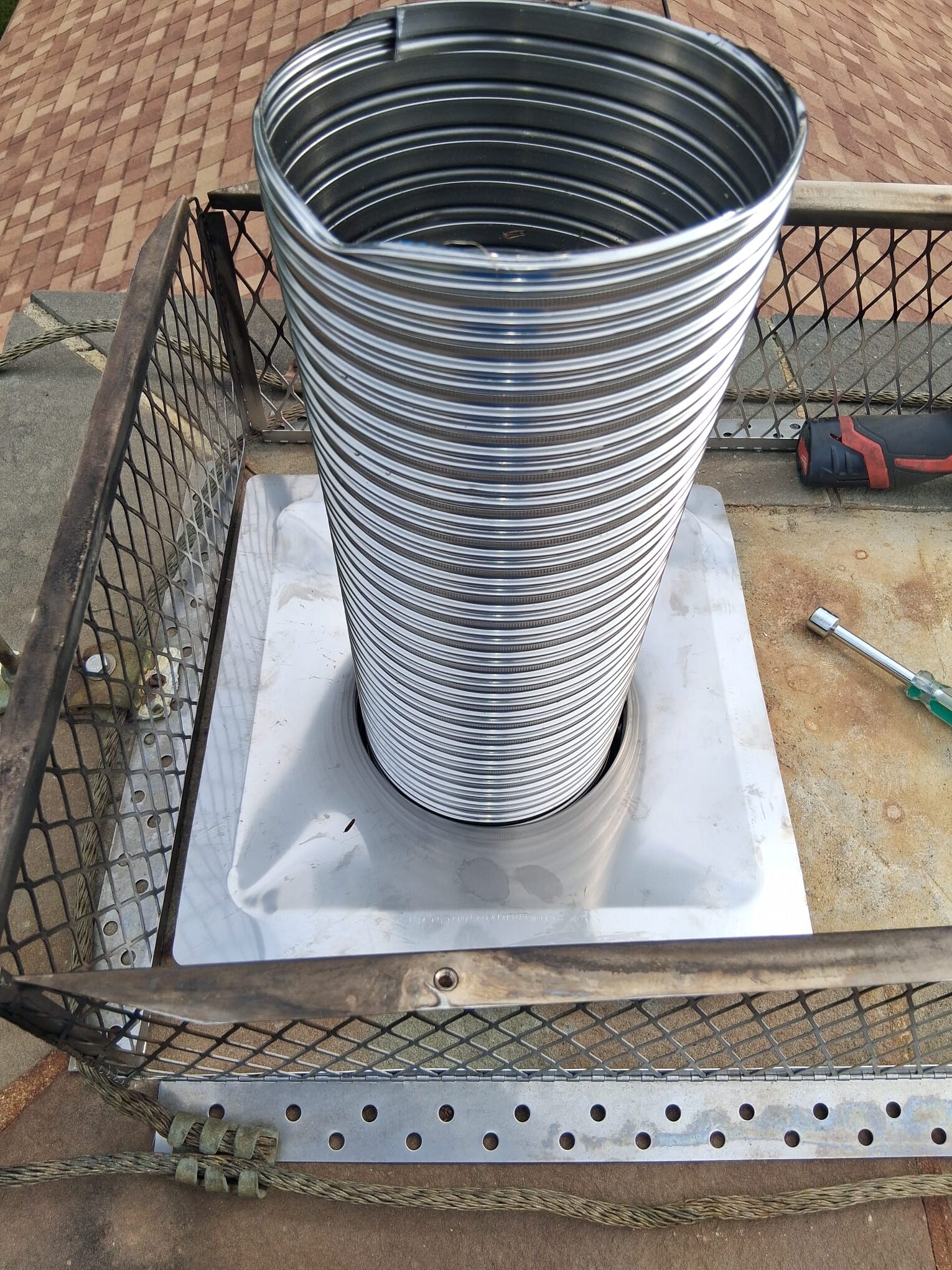
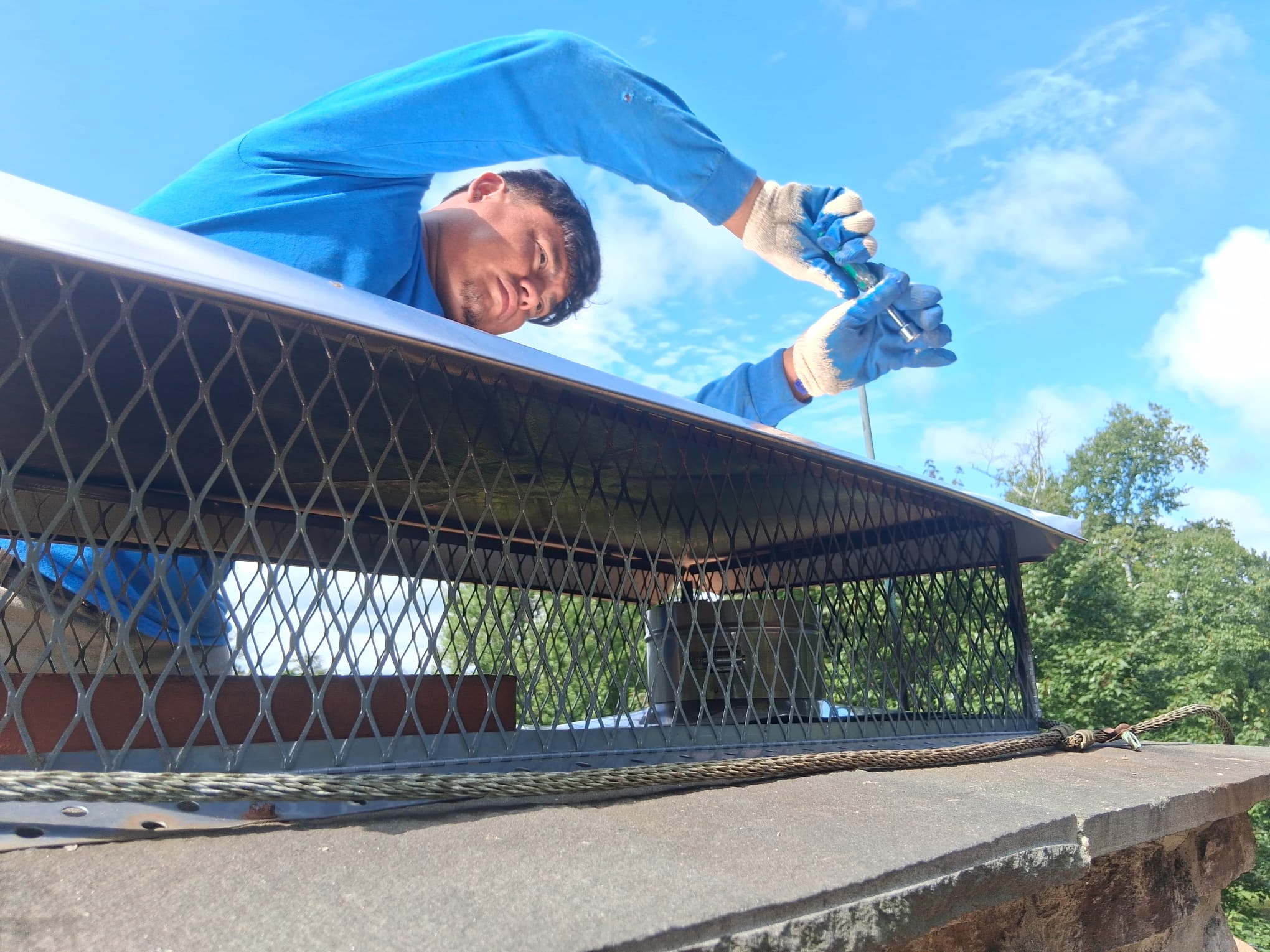
At the chimney top, the technicians fitted the liner through a new top plate and completed the cap work. Downstairs, they assembled the new smoke-pipe route and connected it to the heating appliance. Finally, the project photos documented the finished connector, liner termination, stone chimney and working access area.

Four Checkpoints from Appliance to Chimney Cap
1. Connector and Entry Point
First, the smoke pipe must fit the appliance outlet and enter the chimney with secure, serviceable joints. Elbows, tees and snout extensions affect both layout and future cleaning.
2. Liner Size and Shape
Next, the liner must suit the appliance and available flue space. In some chimneys, controlled ovalization helps a round liner pass a narrow section without abandoning the specified venting area.
3. Support and Termination
At the top, the plate, support and cap keep the liner positioned and help protect the flue opening. Therefore, the termination deserves the same attention as the basement connection.
4. Access and Closeout
Safe roof access lets the crew work deliberately around steep slopes and chimney shoulders. After installation, photographs and final checks give the homeowner a record of the completed path.
Details from the Kent Installation
A liner project succeeds when the top, middle and appliance connection all belong to one coordinated system.
Plan the Full Venting Path
Call for a Kent inspection, heating-flue evaluation or chimney maintenance visit.
Chimney Services for Kent Properties
Heating-Flue and Liner Work
We evaluate heating flues for sizing, material, route and visible deterioration. When conditions call for relining, we select the liner, insulation, connection and termination around the appliance and chimney. In addition, we can address old-liner removal and connector replacement when they belong in the same scope.
Fireplace and Wood-Stove Inspections
A fireplace or stove creates different venting demands from a furnace or boiler. Therefore, we review the firebox or appliance, smoke chamber or connector, liner and chimney top as one system. Camera-assisted inspection may help when hidden flue surfaces could change the recommendation.
Chimney Sweeping
We inspect before cleaning so the method fits the liner and deposit. Then our technicians contain dust, remove accessible soot or creosote and explain what they observed. If damage or glazed deposits appear, we outline the safest next step.
Stone, Brick and Water Repairs
Kent chimneys may combine stone faces with mortar joints, crowns, flashing and metal caps. However, surface appearance alone does not reveal every leak route. We trace likely entry points before recommending repointing, crown work, flashing repair, cap replacement, breathable water protection or rebuilding.
Kent Heating-Flue and Chimney Questions
Why replace the smoke pipe when installing a liner?
The connector carries exhaust from the appliance to the liner, so its fit and condition matter. For example, a corroded, poorly supported or mismatched pipe can leave a weak link in an otherwise new venting system. A coordinated scope addresses the route as a whole.
What does smooth-wall stainless liner mean?
A smooth-wall liner has a less corrugated interior than standard flexible liner. As a result, it can offer different flow and sizing characteristics for an appropriate appliance. The specification still depends on the equipment, fuel, chimney and installation instructions.
Can a new liner go inside the old liner?
Not automatically. Sometimes the existing liner must come out to create enough space, correct an obstruction or complete the new connection. First, an inspection and measurement determine the practical route.
Does a stone chimney need different masonry care?
Stone units and their mortar joints shed and absorb water differently from uniform brickwork. Still, the repair must also consider the crown, flashing and cap because moisture can enter at several transitions.
How often should the heating flue be checked?
Annual inspection is a practical baseline for an operating vent. Arrange an earlier visit after a fuel or appliance change, a chimney fire, a long shutdown, visible corrosion, falling debris or a change in draft.
Chimney Care Across Northwest Connecticut
Spotless Chimney serves Kent and nearby communities. Explore our chimney services in Cornwall, Sharon, Warren and New Milford. Finally, contact us for routine maintenance, a heating-liner project or a second opinion on an existing scope.
Tell Us About Your Kent Chimney
Share the appliance, fuel, chimney type and last known service. We will help arrange the right next step.